Beginner's Guide to Cannabis Flower:
Indica, Sativa & Hybrid Explained
Whether you're stepping into a dispensary for the first time or trying to make more sense of the shelves, this guide covers everything a beginner needs to understand cannabis flower in 2026 what it is, what the labels actually mean, why terpenes matter more than THC%, and how to choose the right strain for your goal.
Cannabis flower (also called bud) is the dried, cured reproductive part of the female cannabis plant. It contains THC, CBD, and aromatic terpenes that together produce its effects. Indica strains are associated with body relaxation; sativa with cerebral energy; hybrid blends both. However, modern science shows terpene profile is a far more reliable predictor of effects than the indica/sativa label. For beginners, start with 10–15% THC, choose strains rich in myrcene or linalool for calm, and take 1–2 inhalations then wait 10 minutes before more.
What Is Cannabis Flower?
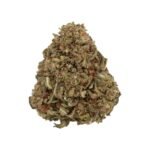
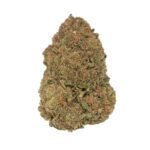
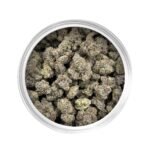
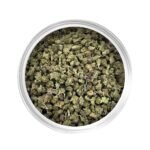
Cannabis flower also called bud, weed, herb, or simply flower is the harvested and cured reproductive structure of the female Cannabis sativa plant. It is the part of the plant where THC, CBD, and other cannabinoids are most concentrated, produced in tiny crystalline structures called trichomes that coat the surface of each bud.
Flower is the origin point of nearly every other cannabis product. Edibles, oils, concentrates, vape cartridges, and tinctures are all derived from what starts as flower. It remains the most popular consumption format because it is versatile, fast-acting, and offers the widest variety of strain choices and effect profiles.
Cannabis flower is typically sold by weight. Common quantities you'll see at retailers include a gram (smallest, good for trying a new strain), an eighth (3.5g, the most popular size), a quarter (7g), a half-ounce (14g), and a full ounce (28g). For beginners, starting with a gram or eighth of two or three different strains is the best way to discover your preferences without committing to a large quantity.
Indica vs Sativa vs Hybrid: The Classic Categories
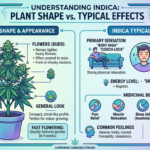
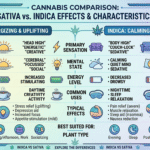
Walk into any cannabis retailer and you'll see every product sorted into three buckets: indica, sativa, or hybrid. These terms have been the industry's primary language for decades. Here is the traditional explanation useful as a starting point, even though modern science has complicated the picture significantly.
Body-Forward Relaxation
- Heavy physical relaxation
- Calming, sedating quality
- Reduces tension and pain
- Promotes sleep and appetite
- Dense, compact buds
- Common terpenes: myrcene, linalool, caryophyllene
Cerebral Energy & Uplift
- Uplifting, energising effects
- Creativity and focus support
- Social, talkative quality
- Less body-heavy
- Taller, airier bud structure
- Common terpenes: limonene, pinene, terpinolene
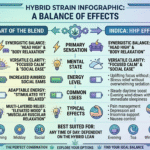
Balanced & Versatile
- Blends indica and sativa traits
- Can lean either direction
- Most commercially available strains
- Great starting point for beginners
- Broad terpene variety
- Often bred for specific effects
The traditional shorthand: "Indica = in-da-couch" (body, sleep, relax) and "sativa = stimulating" (mind, energy, create). This is useful enough to navigate a menu. But it's also incomplete and for some strains, actively misleading. That's what the next section explains.
The Truth About Indica vs Sativa That Most Labels Won't Tell You
Here is the most important piece of information in this entire guide and the thing that most cannabis marketing buries in small print.
Indica and sativa are poor predictors of effects
Multiple studies and large-scale analyses of cannabis consumers between 2018 and 2025 found that the indica/sativa label is a botanical classification originally describing how plants grow and look not a reliable predictor of how you will feel. Two strains both labelled "indica" can produce dramatically different experiences. Two strains labelled "indica" and "sativa" from the same grower can produce nearly identical experiences. The real drivers of effect are terpene profile, cannabinoid ratios, growing conditions, and your individual physiology.
This doesn't mean the labels are useless. They're still a reasonable first filter. High-myrcene strains, which tend toward body relaxation, do often appear in the indica category. Limonene-dominant strains with energising qualities do often appear in the sativa category. The correlation is real it's just not reliable enough to be your only decision-making criterion.
The smarter approach for any consumer beginner or experienced is to read the terpene profile on the label or COA. Terpenes are what actually shape the character of the experience. An indica with dominant limonene may feel more uplifting than many sativas. A sativa with dominant myrcene may be the most sedating strain on the shelf.
Cannabis Terpenes: The Real Key to Effects
Terpenes are the aromatic compounds produced in the same trichome glands that make THC and CBD. They are what gives each strain its distinctive scent earthy, citrus, pine, floral, pepper, diesel. And they do far more than provide aroma. Cannabis contains over 150 identified terpenes; six are present in high enough concentrations to meaningfully shape the experience of most strains.
Terpenes work alongside cannabinoids through what researchers call the entourage effect the theory, supported by growing evidence, that cannabinoids and terpenes produce significantly more nuanced effects in combination than any single compound produces in isolation. This is why a full-spectrum flower high feels different from a THC isolate high, even at the same dose.
| Terpene | Aroma | Primary Effect | Pairs With | Common In |
|---|---|---|---|---|
| 🌿 Myrcene | Earthy, musky, mango | Sedation, muscle relaxation, sleep | CBN for sleep depth | Most indica strains |
| 🍋 Limonene | Citrus, lemon, orange | Mood lift, anxiety relief, energy | CBD for anxiety | Sativa-dominant strains |
| 🌶️ Caryophyllene | Pepper, spice, wood | Anti-inflammatory, stress relief | CBD for pain | Hybrids, indicas |
| 🌸 Linalool | Floral, lavender, sweet | Calm, anxiety reduction, sleep onset | CBN + CBD for sleep | Indica-dominant strains |
| 🌲 Pinene | Pine, fresh, crisp | Alertness, focus, memory retention | Limonene for clarity | Sativa strains |
| 🌀 Terpinolene | Floral, herby, citrus | Uplifting, antioxidant, light energy | Limonene for creativity | Sativa strains, Jack Herer types |
Beta-caryophyllene deserves special mention: it is the only terpene known to directly bind to cannabinoid receptors (CB2), giving it a pharmacologically unique anti-inflammatory role that functions more like a cannabinoid than a traditional terpene. Strains high in caryophyllene are often recommended for pain, inflammation, and stress.
THC Percentage Guide: What the Numbers Actually Mean
THC percentage is the number most prominently displayed on cannabis flower packaging and the most overweighted factor in how most beginners choose a strain. The cannabis industry has spent years chasing maximum THC numbers, producing a generation of 28–35% THC products that are genuinely overwhelming and unpleasant for many users.
Modern cannabis researchers and educators increasingly argue that THC% is a poor standalone predictor of how enjoyable or effective a strain will be. A well-grown, properly cured 16% flower with a rich terpene profile will often provide a more rounded, pleasant experience than a harsh, poorly stored 28% product with minimal terpene presence.
What About CBD?
Cannabis flower with a meaningful CBD content (1–5%+) alongside THC offers a more balanced, controlled experience CBD modulates THC's psychoactive effects, reducing anxiety and intensity. For beginners, a flower with a 2:1 or 1:1 THC:CBD ratio is one of the most forgiving entry points available. These are sometimes labelled "balanced" or "CBD-rich" strains.
How to Choose the Right Cannabis Strain for Your Goal
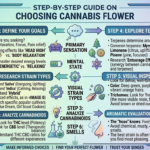
Forget the wall of strain names. The most effective way to choose cannabis flower is to start with your goal how you want to feel and when and work backward to the terpene profile and THC range that matches.
When you visit a retailer, tell your budtender how you want to feel not a strain name you looked up online. Different growers produce radically different versions of the same strain name. A budtender who knows their product can point you to the specific batch with the terpene profile that matches your goal far more accurately than a strain name alone.
How to Consume Cannabis Flower: Methods Compared
Cannabis flower can be consumed in several ways and the method you choose significantly affects the experience. Here is a beginner-focused comparison of the four main formats.
Heats flower without combustion, producing vapour instead of smoke. Best terpene preservation of any method you taste what you're actually smoking. Gentler on the lungs. Onset in 3–8 minutes. Effects last 1–3 hours. Initial investment in a device ($50–$300) is offset by more efficient flower use. Best starting point for most beginners.
Ground cannabis rolled in rolling paper. Portable, social, no equipment needed beyond a grinder and papers. Onset in 2–5 minutes. Some terpenes are destroyed by combustion, and rolling paper adds its own taste. Beginner tip: rice paper produces the cleanest flavour. Pre-rolled joints from retailers skip the rolling step entirely.
A bowl-shaped device where flower is packed and lit directly. Inexpensive, simple, and portable. Onset in 2–5 minutes. Hotter and harsher than a vaporizer. Ideal for simple, no-fuss sessions at home. Small pipes allow better portion control than joints, which continue burning between hits.
Water filters and cools the smoke for a smoother inhale but the larger volume of smoke delivered per hit makes dosing harder to control. Bong hits produce the strongest, fastest effects of any flower method. Not recommended as a starting point. Even experienced users find bongs can tip them into uncomfortable territory unexpectedly.
What Is THCA Flower? (And How Is It Different?)
If you've been browsing hemp retailers like Royal Apothecary, you've likely seen THCA flower sometimes labelled as "hemp flower" with unusually high potency numbers. Here's what you need to know.
THCA Flower vs Traditional Cannabis Flower Key Differences
In terms of appearance, aroma, terpene profile, and smoked experience, high-quality THCA flower is indistinguishable from dispensary cannabis. The difference is legal classification at the point of sale. For consumers in states without recreational cannabis dispensaries, THCA flower from a reputable, COA-verified hemp retailer represents the closest equivalent available legally.
7 Beginner Mistakes to Avoid with Cannabis Flower
The vast majority of negative first cannabis experiences are entirely preventable. They come from a small set of predictable mistakes. Here is the complete list.
| Mistake | What Actually Happens | What to Do Instead |
|---|---|---|
| Starting with high-THC (25%+) flower | Overwhelming anxiety, paranoia, racing heart the most common cause of bad first experiences | Start at 10–15% THC and work up gradually over multiple sessions |
| Redosing before onset | Double dose hits all at once 15–20 minutes in, producing intense discomfort | Wait a full 10 minutes after inhaling before deciding whether more is needed |
| Choosing by THC% alone | Ignoring terpenes leads to mismatched experiences sedating sativa or wired indica | Read the terpene profile and match to your goal first |
| Consuming alone with no plan | Anxiety amplified by isolation; no one to reassure or assist if uncomfortable | First session with a trusted, sober or experienced friend in a comfortable environment |
| Mixing with alcohol | "Greening out" nausea, dizziness, extreme discomfort. Alcohol significantly amplifies THC effects | Never combine cannabis and alcohol, especially as a beginner |
| Using a bong as a first method | Uncontrolled large dose; coughing triggers panic; overwhelm is common | Start with a vaporizer or small pipe controlled, smaller hits |
| Expecting the same experience every time | Same strain, different grower, different batch, different body chemistry = different result | Treat each new product as a new first use: start with one or two hits and wait |
For a smoke-free alternative that entirely removes the inhale-and-wait variable, Royal Apothecary's precisely dosed CBN and CBD edibles and Amanita muscaria mushroom gummies offer consistent, predictable experiences ideal for wellness-focused beginners.
Frequently Asked Questions
Explore Lab-Tested Cannabis Edibles & Gummies
Prefer a smoke-free experience? Royal Apothecary stocks precisely dosed CBN, CBD, THCA, and Amanita Muscaria gummies all lab-tested with verifiable COAs and fast nationwide shipping.
Sources & References
- Weed.com — The Complete Guide to Indica, Sativa & Hybrid: Modern Science Edition (2026)
- MMJ.com — Cannabis Terpenes Guide 2026: Aromas, Effects & Science
- Terpene Belt Farms — Terpene Effects Chart: Mechanisms & Formulation Guide
- Green Pharms — Terpenes and Their Effects: Complete Profile Chart (2026)
- NuggMD — What Is Cannabis Flower? Ultimate Beginner's Guide
- LiveWell — Cannabis Flower 101: A Beginner's Guide
- The Library NJ — Cannabis Terpenes Guide 2026: Chart, Effects & Strains
- NIH / PubMed — Entourage Effect and Cannabinoid-Terpene Interactions Research
Disclaimer: This article is for educational purposes only and does not constitute medical advice. Cannabis laws vary significantly by state always verify your local regulations before purchasing or consuming cannabis products. These statements have not been evaluated by the FDA. Cannabis products are not intended to diagnose, treat, cure, or prevent any disease. Do not consume cannabis and drive or operate heavy machinery. Not for use by persons under 21 or those who are pregnant or nursing. Consult a healthcare professional if you take prescription medications.