What Is THCA? Does It Get You High?
The Complete 2026 Answer
THCA is the most-searched cannabinoid of 2026 and one of the most misunderstood. Does it get you high? Will it fail a drug test? Is it actually legal? This guide answers every question with current science, no hype.
THCA (tetrahydrocannabinolic acid) is the raw, non-psychoactive precursor to THC found in fresh hemp and cannabis. It does not get you high on its own. Apply heat smoke, vape, or cook it and THCA converts to Delta-9 THC via decarboxylation, producing a full cannabis effect. Smoked THCA stays detectable in urine for 3–30+ days depending on use frequency. Hemp-derived THCA is federally legal under the 2018 Farm Bill, but several US states restrict or ban it.
What Is THCA? The Science Explained Simply
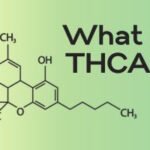
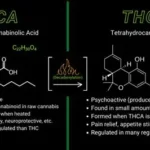
THCA stands for tetrahydrocannabinolic acid. It is the naturally occurring, acidic form of THC found in raw, living, and freshly harvested cannabis and hemp plants. THCA is not THC it is THC's chemical precursor. In a freshly harvested hemp plant, virtually all of the compound most people call "THC" is actually THCA. It only converts to psychoactive Delta-9 THC through a process called decarboxylation.
Think of THCA as an "inactive" version of THC with a carboxyl group (–COOH) attached to its molecular structure. That extra group prevents it from binding effectively to CB1 receptors in the brain — which is why raw THCA produces no high. Remove the carboxyl group with heat, and you have Delta-9 THC.
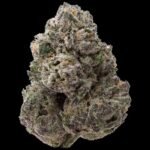
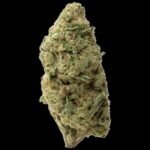
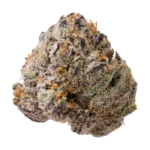
THCA is found in hemp flower, THCA diamonds (crystalline concentrate), THCA-infused edibles, and raw cannabis juices. The form of consumption determines everything about whether any psychoactive effect occurs.
Does THCA Get You High?
This is the most-searched question about THCA in 2026 and the answer has two distinct parts depending on how it's consumed.
Raw THCA - No High
Eating raw THCA flower, taking a cold THCA tincture, or juicing raw cannabis does not produce psychoactive effects. THCA does not bind effectively to CB1 receptors without decarboxylation. Many wellness users consume raw THCA specifically because it is non-intoxicating.
Heated THCA - Full High
Smoking, vaping, dabbing, or baking THCA converts it to Delta-9 THC. The resulting effect is identical to traditional cannabis full euphoria, relaxation, altered perception. There is no practical difference between smoking THCA flower and smoking THC flower of equal potency.
The confusion arises because THCA products are frequently marketed as "legal hemp" which they may be under federal law without clearly explaining that heating them produces a full THC experience. Raw THCA will not get you high. Heated THCA will. This is the single most important distinction in the entire THCA category.
THCA vs THC: What's the Actual Difference?
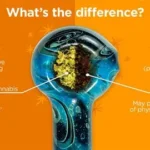
THCA and Delta-9 THC share the same base molecular structure. The only chemical difference is a carboxyl group (–COOH) attached to THCA that is absent in THC. That single structural difference changes everything about how each compound interacts with the human body and the law.
| Property | THCA (Raw) | Delta-9 THC (Heated) |
|---|---|---|
| Psychoactive? | No — non-intoxicating | Yes — full cannabis high |
| CB1 Receptor Binding | Weak / minimal | Strong — primary mechanism of action |
| Found in Raw Hemp? | Yes — dominant form | Trace only (<0.3% legal limit) |
| Requires Heat to Activate? | Yes — decarboxylation needed | Already active |
| Federally Legal (USA)? | Yes — if hemp-derived (<0.3% D9) | No — Schedule I (non-hemp) |
| Triggers Drug Test? | Raw form: unlikely. Smoked: yes | Yes — metabolites detectable 3–30+ days |
| Anti-inflammatory Research? | Strong preliminary evidence | Some evidence, less studied for this purpose |
The key takeaway: THCA and THC are treated as different compounds in their raw state legally and chemically but they produce the same outcome when heat is applied. This is why THCA flower has become one of the fastest-growing hemp segments: it exists in a legal category that allows retail sale of a product that can be consumed identically to cannabis.
How Long Does THCA Stay in Your System?
The answer depends almost entirely on how you consumed THCA and how often. The two scenarios produce dramatically different detection windows.
Scenario A: Raw THCA (Eaten or Cold Tincture)
When consumed without heat, THCA does not convert to THC. Raw THCA typically clears the body within 24–48 hours and is not detected by standard drug tests, which screen for THC-COOH metabolites — not THCA itself.
Scenario B: Smoked, Vaped, or Baked THCA
Once heated, THCA becomes Delta-9 THC and is processed by the body exactly like cannabis. THC is stored in fat tissue and eliminated slowly. Detection windows depend heavily on usage frequency:
Moderate (3–4×/wk): 7–14 days
Daily users: 15–30 days
Heavy long-term daily: 30–60+ days
Standard cutoff: 50 ng/mL THC-COOH
Primarily used for roadside DUI testing
Increasingly common in workplace screening programs
Detection window is effectively flat at 90 days regardless of use frequency
Does THCA Show Up on a Drug Test?
Standard workplace and clinical drug screens do not look for THCA itself. They detect THC-COOH an inactive metabolite produced when the liver breaks down Delta-9 THC. This is why the method of THCA consumption matters so much for drug testing outcomes.
What a Standard Drug Screen Actually Detects
Advanced forensic laboratory panels (GC-MS confirmatory testing) can theoretically detect THCA itself, though this is rarely used in routine workplace screenings. If you are subject to a legal proceeding with forensic-level testing, raw THCA consumption could appear though this remains uncommon in practice as of 2026.
Is THCA Legal? Federal and State Status (2026)
The federal legal status of THCA hinges on how the 2018 Farm Bill defines hemp. The Farm Bill permits hemp products containing less than 0.3% Delta-9 THC by dry weight. Critically, THCA is not directly capped by this limit only Delta-9 THC is measured at harvest. This is what allows high-THCA hemp products to be sold legally at the federal level.
THCA products from hemp compliant with less than 0.3% Delta-9 THC are legal to purchase, possess, and ship interstate under the 2018 Farm Bill. This covers THCA flower, gummies, vapes, and concentrates provided a valid COA backs the claim.
Several states have enacted laws explicitly restricting or banning THCA products including Oregon, Hawaii, and others. State law can be stricter than federal law for hemp. Always verify your specific state's current regulations before purchasing or traveling with THCA products.
The DEA and several legislators have argued that THCA should be counted as part of "total THC" since it converts to THC when heated. If this interpretation is formally adopted, it would significantly alter THCA's legal status. This debate is active and unresolved as of May 2026.
Any THCA product you purchase should come with a third-party Certificate of Analysis (COA) from an ISO 17025-accredited lab confirming Delta-9 THC below 0.3%. Without a COA, there is no way to verify legal compliance or product quality.
THCA Benefits: What the Research Shows
While THCA research is still in early clinical stages, peer-reviewed studies via NIH have identified several promising potential benefits of non-decarboxylated THCA benefits distinct from those of THC, and accessible without any intoxication.
Anti-Inflammatory
THCA inhibits COX-1 and COX-2 enzymes the same targets as ibuprofen and aspirin in early laboratory studies. Candidate for inflammatory conditions like arthritis and Crohn's disease without psychoactive effects.
Neuroprotective
Preliminary animal studies suggest THCA may protect dopaminergic neurons implicated in Parkinson's disease and reduce neuroinflammation. Human clinical trials are limited; research is ongoing.
Antiemetic (Anti-Nausea)
THCA has shown antiemetic properties in rodent models potentially more potent than CBD for nausea reduction. Used by some patients with gastrointestinal conditions or undergoing treatment protocols.
These benefits apply specifically to raw, non-activated THCA. Heating THCA converts it to THC, shifting effects entirely to those of standard cannabis. For daytime wellness use without intoxication, raw THCA tinctures and cold-press formats are the relevant products.
THCA Flower vs Gummies vs Concentrate: Which Is Right for You?
THCA comes in several product formats, each with different activation levels, onset times, potency, and use cases. Understanding which format matches your intention wellness vs recreational effect, raw vs heated is essential.
| Product Format | THCA Activated? | Onset | Duration | Best For |
|---|---|---|---|---|
| THCA Flower (smoked/vaped) | Yes — full THC effect | Immediate | 1–3 hrs | Fast-acting recreational or medicinal cannabis effect |
| THCA Gummies (infused, baked) | Yes — activated via baking | 30–90 min | 4–8 hrs | Long-lasting effect, similar to cannabis edibles |
| THCA Tincture (cold/raw) | No — non-psychoactive | 15–45 min | 2–4 hrs | Wellness use: anti-inflammatory, neuroprotective |
| THCA Diamonds/Concentrate (dabbed) | Yes — very high potency | Immediate | 2–4 hrs | Experienced users only; very high THC conversion rate |
| Raw Cannabis Juice/Smoothie | No — raw, non-intoxicating | 30–60 min | 2–4 hrs | Maximum wellness benefits without any intoxication |
For a structured evening wellness routine, many customers combine products strategically: a CBN gummy for deep sleep support, and a raw THCA tincture for daytime inflammation keeping THCA unactivated during the day while CBN handles sleep quality at night. Our Amanita Muscaria mushroom gummies are also a popular complementary evening relaxation option.
Frequently Asked Questions
Shop Premium Hemp Edibles at Royal Apothecary
CBN gummies, CBD gummies, mushroom gummies, and more — all lab-tested with full COA documentation and fast, discreet nationwide shipping.
Sources & References
- WebMD — What Is THCA?
- NIH / PubMed Central — The Endocannabinoid System: Overview of Cannabinoid Pharmacology
- USDA Agricultural Marketing Service — Hemp Regulations under the 2018 Farm Bill
- FDA — FDA on Products Containing Cannabis or Cannabis-Derived Compounds
- Miraculix Lab (Dr. Felix Blei, PhD) — How Long Does THCA Stay in Your System? (Updated Jan 2026)
- Miraculix Lab (Dr. Felix Blei, PhD) — Does THCA Get You High? (Updated Jan 2026)
- Triangle Hemp Wellness — THCA Detection & Drug Test Detection Guide (2026)
- Recovered.org (Dr. David Miles, MD, reviewed May 2026) — How Long Does THCA Stay in Your System?
- FreshBros — How Long Does THCA Stay in Urine? 2026 Detection Guide
Disclaimer: This article is for educational purposes only and does not constitute medical or legal advice. These statements have not been evaluated by the FDA. THCA products are not intended to diagnose, treat, cure, or prevent any disease. Hemp laws vary by state always verify your state's current regulations before purchasing. Consult a healthcare professional before use, especially if you take prescription medications or are subject to drug testing. Do not operate a vehicle or heavy machinery after consuming heated THCA products.