THCA Flower vs CBD Flower:
What's the Difference?
One gets you high when you smoke it. One never will no matter what you do to it. Here's exactly how THCA flower and CBD flower differ in chemistry, effects, legality, and who each one is right for.
🛒 Shop Our Cannabis Flower CollectionQuick Answer: The One Key Difference
THCA flower gets you high when you smoke or vape it. CBD flower never will. The reason: THCA converts into psychoactive Delta-9 THC through a heat-driven chemical process called decarboxylation. CBD does not convert to THC under any circumstances it remains non-psychoactive no matter how you consume it.
If you've been browsing cannabis products online and seen labels like "THCA flower" and "CBD flower" listed side by side, you're right to pause. They look similar. They're both sold legally online. They're both derived from hemp. But they deliver completely different experiences and choosing the wrong one could surprise you.
This guide breaks down every important difference between THCA flower vs CBD flower from the chemistry and effects to legality, drug testing, and which is right for your specific situation.
What Is THCA Flower?
THCA stands for tetrahydrocannabinolic acid the raw, acidic form of THC that exists naturally inside living and freshly harvested cannabis plants. Every cannabis plant starts out producing THCA, not THC. The THC you know comes later, through aging, curing, or most commonly, heat.
THCA is found in the trichomes those crystal-like glands covering the surface of cannabis flower buds. When a plant is tested before any heat is applied, its lab results show a high THCA percentage (typically 20–35% in premium strains) and a very low Delta-9 THC percentage (usually under 0.3%, keeping it legally classified as hemp).
In raw form
THCA is completely non-psychoactive. Eating raw THCA flower will not produce a high. Early research suggests it may have anti-inflammatory and neuroprotective properties in this form.
When heated
The moment you apply heat smoking, vaping, cooking THCA loses its acidic carboxyl group and converts into fully psychoactive Delta-9 THC. At this point, it behaves exactly like traditional cannabis.
This is why THCA flower is sometimes called "the legal cannabis loophole." Plants can contain 25% THCA but still test under the 0.3% Delta-9 THC threshold required by the 2018 Farm Bill making them legally classifiable as hemp, while still producing full psychoactive effects when smoked.
What Is CBD Flower?
CBD flower is hemp flower that has been specifically bred to be high in cannabidiol (CBD) and very low in both THCA and THC. Typical CBD flower tests at 12–20% CBD with less than 0.3% THC and critically, it contains minimal THCA as well.
CBD is a fundamentally different cannabinoid from THCA. It interacts with the body's endocannabinoid system via different receptor pathways primarily interacting with CB2 receptors and influencing serotonin signaling, rather than binding to the CB1 receptors in the brain that produce psychoactive effects.
Always non-psychoactive
CBD does not convert to THC under any circumstances. You can smoke it, vape it, cook it, or eat it raw CBD will never produce a high, regardless of the dose or consumption method.
Therapeutic effects
Research supports CBD's potential for reducing anxiety, easing inflammation, and improving sleep. The FDA has approved one CBD-based drug (Epidiolex) for seizure disorders the only cannabis-derived prescription medicine approved to date.
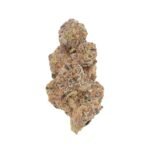
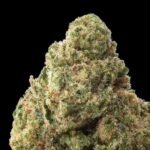
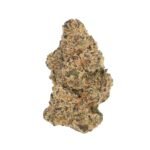
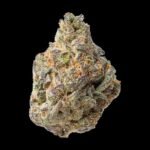
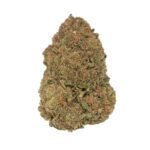
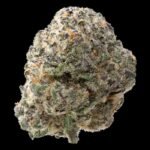
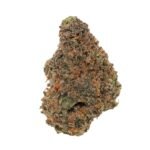
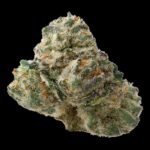
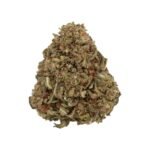
CBD flower looks, smells, and can even be smoked or vaped exactly like THCA flower. The visual difference is essentially zero without a lab test. This is precisely why understanding the label matters so much when choosing between the two.
The Science Behind Decarboxylation
The single most important concept for understanding THCA flower vs CBD flower is decarboxylation. It sounds technical, but the idea is simple:
THCA has one extra chemical group attached a "carboxyl group" (–COOH). This extra group is what makes THCA non-psychoactive in its raw form: it prevents the molecule from fitting into your brain's CB1 receptors the way THC does.
When heat is applied whether from a flame, a vaporizer, or an oven that carboxyl group breaks off and evaporates as carbon dioxide (CO₂). What remains is pure Delta-9 THC. According to NIH research, decarboxylation of THCA is essentially complete at 160°C (320°F), and it happens nearly instantly when you light a joint or load a vaporizer.
This does not happen with CBD. CBD is a completely different molecule not an acid precursor to anything. Heating CBD flower does not transform it into something more potent or psychoactive. It simply remains CBD.
Effects: What Does Each One Actually Do?
THCA Flower Effects When Smoked or Vaped
Because smoking or vaping converts THCA into Delta-9 THC, the effects of THCA flower are essentially identical to traditional cannabis flower. You will experience:
- Euphoria and mood elevation the "high" associated with cannabis
- Relaxation or sedation (especially with Indica-dominant strains)
- Increased appetite (commonly called "the munchies")
- Altered sensory perception enhanced music, taste, and colour
- Pain and inflammation relief widely reported by medical cannabis users
- Potential anxiety or paranoia particularly in high doses or THC-sensitive individuals
The specific effects depend heavily on the strain's terpene profile and whether it is Indica, Sativa, or Hybrid. Our cannabis flower collection includes clearly labelled Indica, Sativa, and Hybrid THCA strains so you can choose exactly the experience you want.
THCA Flower — Effects When Consumed Raw (Unheated)
If you consume THCA without heating it such as in a raw juice or tincture the effects are entirely different. Raw THCA is non-psychoactive and is being studied for:
- Anti-inflammatory properties
- Neuroprotective potential
- Nausea reduction
- Appetite stimulation
CBD Flower — Effects
CBD flower, whether smoked, vaped, or consumed in any other form, produces a distinctly different effect profile with no psychoactive high:
- Calm and relaxation without impairment
- Anxiety reduction — well-supported by clinical research
- Mild pain and inflammation relief
- Improved sleep quality for some users
- Full cognitive function maintained — you remain clear-headed throughout
THCA Flower vs CBD Flower: Complete Comparison
| Feature | 🟣 THCA Flower | 🟢 CBD Flower |
|---|---|---|
| Source plant | Hemp / Cannabis sativa | Hemp / Cannabis sativa |
| Psychoactive when smoked? | Yes — converts to THC | No — never psychoactive |
| Psychoactive when raw? | No — non-psychoactive raw | No — always non-psychoactive |
| Active compound after heating | Delta-9 THC (~22% from 25% THCA) | CBD — unchanged |
| Typical potency range | 20–35% THCA | 12–20% CBD |
| Federal legal status (USA) | Legal if <0.3% Delta-9 THC | Legal if <0.3% Delta-9 THC |
| Fails drug test when smoked? | Yes — very likely | Unlikely (trace THC risk) |
| Best for experienced users? | Yes — potent effects | No — suitable for beginners |
| Research-backed benefits | Anti-inflammatory, neuroprotective (early research) | Anxiety, sleep, pain, seizures (strong evidence) |
| Best consumption method | Smoking, vaping, cooking | Any method (smoking, vaping, tinctures, edibles) |
| Available strains | Indica, Sativa, Hybrid | Indica, Sativa, Hybrid |
Legality: Are Both Legal in the USA in 2026?
Both THCA flower and CBD flower are currently federally legal under the 2018 Farm Bill, provided they are derived from hemp containing less than 0.3% Delta-9 THC by dry weight. However, the legal landscape for THCA specifically is evolving rapidly.
CBD Flower Legality
CBD flower is legal in all 50 states federally. It has a straightforward legal status because CBD does not convert to any controlled substance. State-level laws are mostly favourable, though a handful of states maintain restrictions on smokable hemp.
THCA Flower Legality
THCA flower's legal status is more complex. Under the current federal standard, THCA flower testing under 0.3% Delta-9 THC qualifies as legal hemp. However:
- The DEA has issued guidance stating that THCA should be measured using post-decarboxylation testing — meaning total potential THC (including converted THCA) must be under 0.3%
- Several states have passed specific laws restricting or banning THCA flower sales
- Federal regulations are expected to change in late 2026 as a new Farm Bill framework takes effect
Drug Testing: A Critical Warning About THCA Flower
If you smoke or vape THCA flower, you will very likely fail a standard drug test. Standard urine drug tests screen for THC metabolites (specifically THC-COOH). Because THCA converts to Delta-9 THC when smoked, your body processes it identically to regular cannabis and the metabolites are the same.
CBD flower, by contrast, carries a much lower drug test risk. Because it contains minimal THC and no THCA (which could convert to THC), the chance of accumulating enough THC metabolites to trigger a positive result is very low. However, no hemp product can be called completely risk-free for drug testing, as trace amounts of Delta-9 THC are present in all hemp products.
Drug Test Risk Summary
- THCA flower (smoked/vaped): Very high risk virtually certain to fail
- THCA flower (consumed raw): Low risk, but not zero
- CBD flower (smoked/vaped): Low risk but trace THC may accumulate with heavy daily use
- CBD tinctures / isolate: Lowest risk (especially broad-spectrum or isolate products)
If you are subject to workplace drug testing, we strongly recommend choosing CBD products over THCA flower and consulting with a medical professional before use.
Who Should Use Which?
Choosing between THCA flower and CBD flower comes down to three questions: Do you want to get high? Are you subject to drug testing? How experienced are you with cannabis?
🟣 THCA Flower Is Right For You If…
- You want a full cannabis experience (euphoria, relaxation)
- You have experience with cannabis and know your tolerance
- You are not subject to drug testing
- You want potent relief for pain, nausea, or appetite issues
- You live in a state where cannabis use is common and accepted
- You prefer specific effects by choosing Indica (relaxing), Sativa (energising), or Hybrid strains
🟢 CBD Flower Is Right For You If…
- You want calm and relaxation without getting high
- You are new to cannabis and want a gentle introduction
- You are subject to workplace drug testing
- You want to use cannabis daily without cognitive impairment
- You are seeking help with anxiety or sleep without intoxication
- You want the ritual of smoking without psychoactive effects
Frequently Asked Questions
Conclusion: Choosing Between THCA Flower and CBD Flower
The difference between THCA flower vs CBD flower ultimately comes down to one fundamental question: do you want the full cannabis experience, or do you want the benefits of cannabis without the high?
THCA flower is the choice for users who want a potent, authentic cannabis experience the kind that has driven cannabis culture for decades. When smoked or vaped, it delivers full Delta-9 THC effects: euphoria, relaxation, pain relief, and altered perception. It's powerful, effective, and now available legally online for the first time in American history.
CBD flower is the choice for users who want calm, therapeutic effects without any intoxication. It's ideal for daily use, beginners, people subject to drug testing, and anyone who wants the ritual and benefits of cannabis without stepping outside their daily cognitive function.
At Royal Apothecary, we carry premium examples of both every product is lab-tested with a Certificate of Analysis (COA), sourced from verified cultivators, and shipped discreetly nationwide. Whether you're looking for top-shelf THCA flower, premium solventless vapes, cannabis concentrates, or Amanita Muscaria gummies, we have you covered.
Shop Premium THCA Flower & Cannabis Products
Lab-tested. Licensed California retailer. Discreet nationwide shipping. Browse our full collection of Indica, Sativa, and Hybrid THCA strains and find the perfect flower for your experience level.
🌿 Browse Cannabis Flower Collection Also explore: Vapes · Concentrates · Mushroom Gummies · Edibles · KratomSources & References
- National Institutes of Health (NIH) — Cannabidiol and the endocannabinoid system
- Wikipedia — The Hemp Loophole and 2018 Farm Bill
- The Haze Connect — THCA vs CBD: What's the Difference?
- The Conversation — Delta-8, Delta-9, THCA: What sets different THC forms apart
- Marijuana Moment — DEA Statement on THCA and Hemp Definition
- Indacloud — THCA Legality State-by-State Guide 2026
- FDA — FDA Regulation of Cannabis and Cannabis-Derived Products
Disclaimer: This article is for educational purposes only and does not constitute medical or legal advice. These statements have not been evaluated by the FDA. Cannabis products are not intended to diagnose, treat, cure, or prevent any disease. Consult a healthcare professional before use. Check your local and state laws before purchasing.